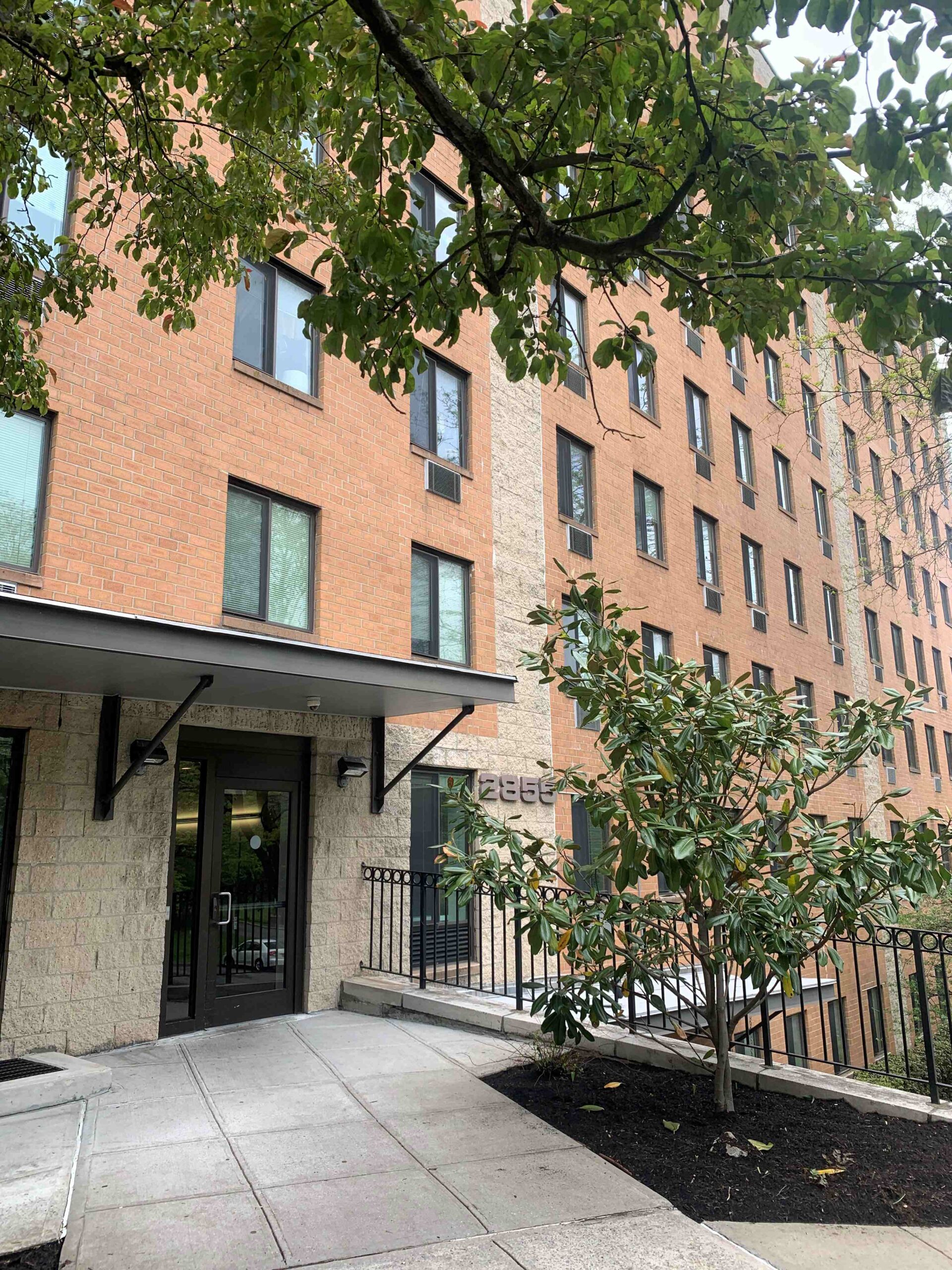
Everything is Coming Up Roses at Rose Hill Apartments!
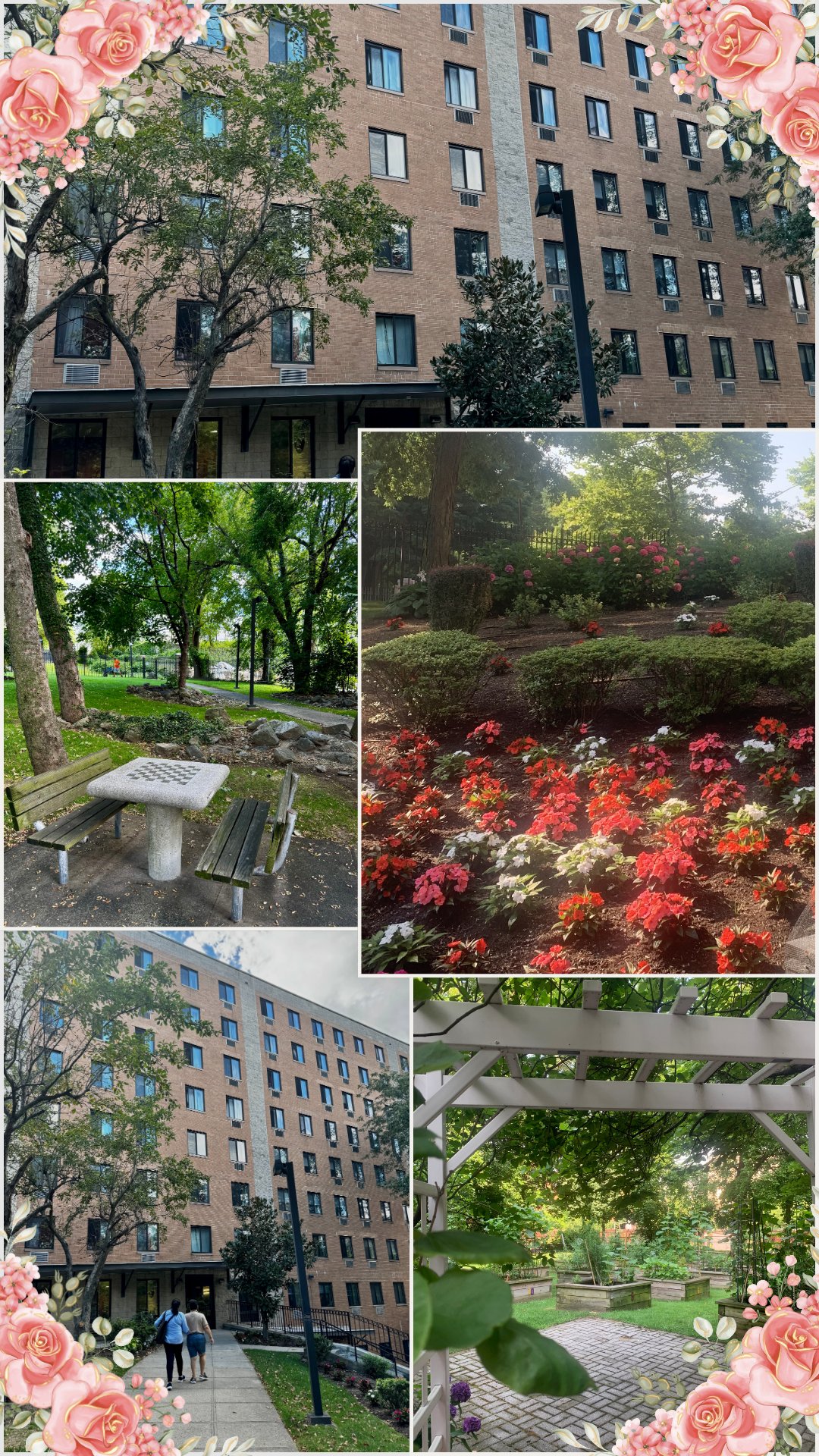
UNHP closed on a $10M refinancing loan for Rose Hill Apartments with Enterprise Bellwether for a HUD 223F mortgage this summer. Leading up to the closing, UNHP repositioned the LIHTC, oversaw facade improvements, and completed extensive weatherization work, including new windows and LED public-area and unit lighting. The development work completed over the last two years, culminating in the August closing, will ensure the long-term affordability and habitability of this 119-unit low-income senior citizen complex adjacent to Fordham University’s Rose Hill campus.
On August 20th 2026, after more than two years of predevelopment work at Rose Hill Apartments that included purchasing the Low-Income Housing Tax Credits (LIHTC) investment interest at the Year 15 mark on the property, performing the required LLXI façade work, and undertaking weatherization improvements, UNHP closed on a 10M refinancing loan with Bellwether Enterprise and a HUD 223F mortgage. This blog post from 2024 outlines the predevelopment work that led up to the closing.
The road to the closing was not without its drama – 2 government shutdowns, 9 site and file inspections, an easement for our institutional neighbors and a myriad of obstacles were overcome thanks to the persistence of UNHP’s Director of Real Estate, Brendan Mitchell, Executive Director Jim Buckley, Rose Hill Apartments Board, the skill of our attorney John Van Bomel, the assistance of the Fordham Bedford Housing Corporation management and social service staff, the partnership of Bellwether Enterprise and all those who worked with UNHP to achieve this goal.
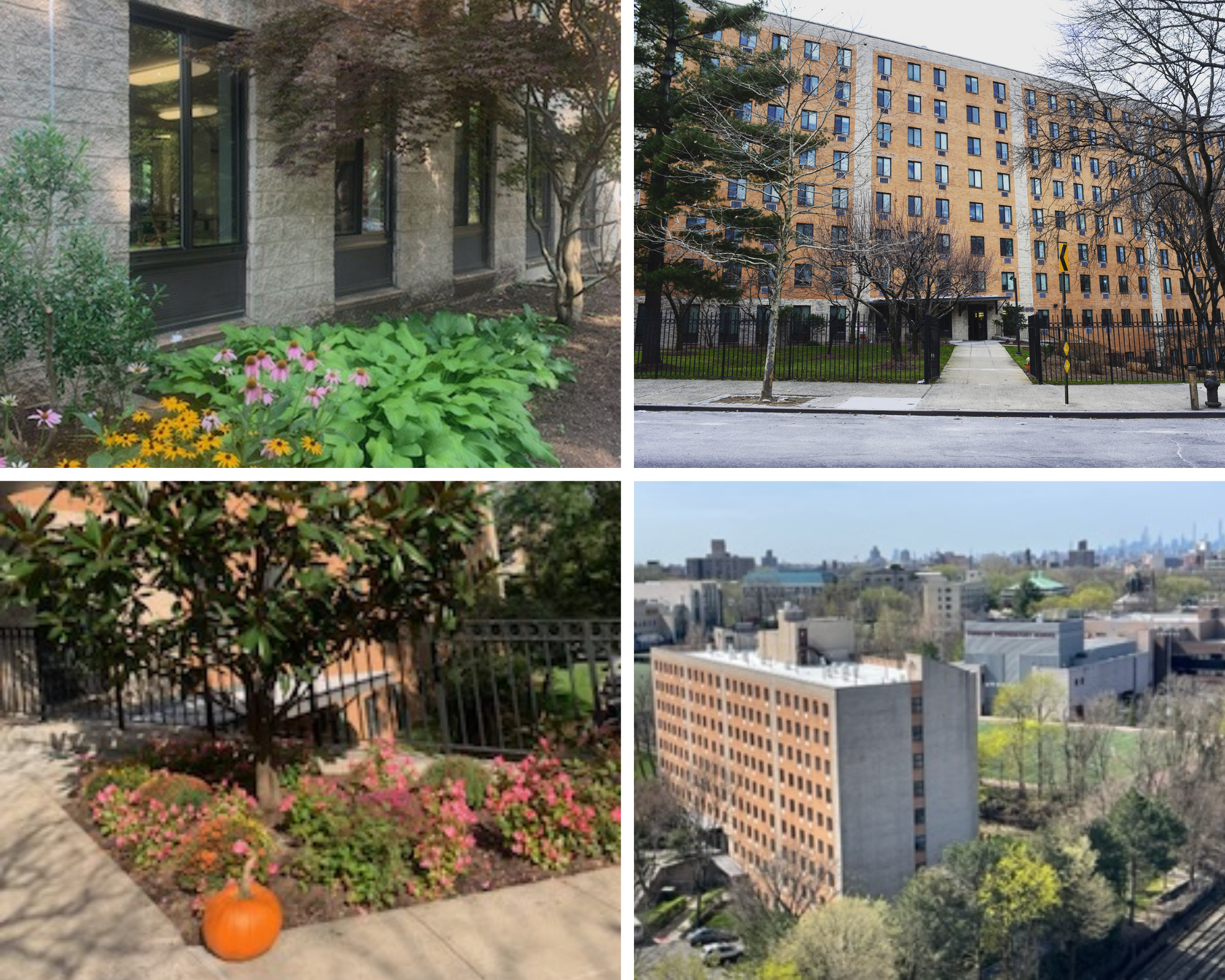
Rose Hill Apartments is a 119-unit affordable senior housing complex located on the edge of Fordham University’s Rose Hill Campus and offers residents access to the beautiful campus grounds and activities on the campus. Rose Hill was built in 1984 using HUD Section 202 federal funds and as such provides affordable housing to low-income seniors and those with mobility disabilities along with on-site services that include a community room, an outdoor garden and seating area, access to a social worker, recreational events, and a transport van for shopping and medical appointments. UNHP became involved in the building ownership in 2009, obtaining rehabilitation funding through the LIHTC via JPMorgan Chase and the Richman Group. Renovations at that time included new windows, improvements to the public areas, a new roof, kitchens, and bathrooms.
As part of the package, UNHP successfully submitted a Housing Assistance Payment (HAP) Mark-Up-to-Market request. The new HAP contract increased federal assistance to meet market rents in the Bronx. This adjustment will increase the property’s operating income without increasing the tenant rent portion (30% of their income). The increase in operating income provides financial stability to meet rising operating costs, debt service coverage, ongoing maintenance and upkeep, and the building’s long-term affordability. Before closing, the property underwent significant renovation work, including pointing, brick replacement, and lintel repairs to comply with Local Law XI. Thanks to an awarded grant from the Our Bronx NYS Weatherization Program, the project included full window replacement in units, hallways, and the community room; LED unit and public-area lighting; complete mechanical ventilation replacement at roof motors and vents; and new refrigerators for tenants, providing needed upgrades at very little cost to the project. Post-closing, a variety of critical and non-critical renovations will occur. The project will fully comply with new ADA regulations, including wider doorways, shower seats, grab bars, and lower cabinets, along with a major waste line replacement, an emergency notification system, and parking lot repairs. Tenants have requested speed bumps in the parking lot, hallway flooring replacement, and increased social activities and trips. An enhanced social services budget will provide for regular events and gatherings organized by the Rose Hill social services staff.
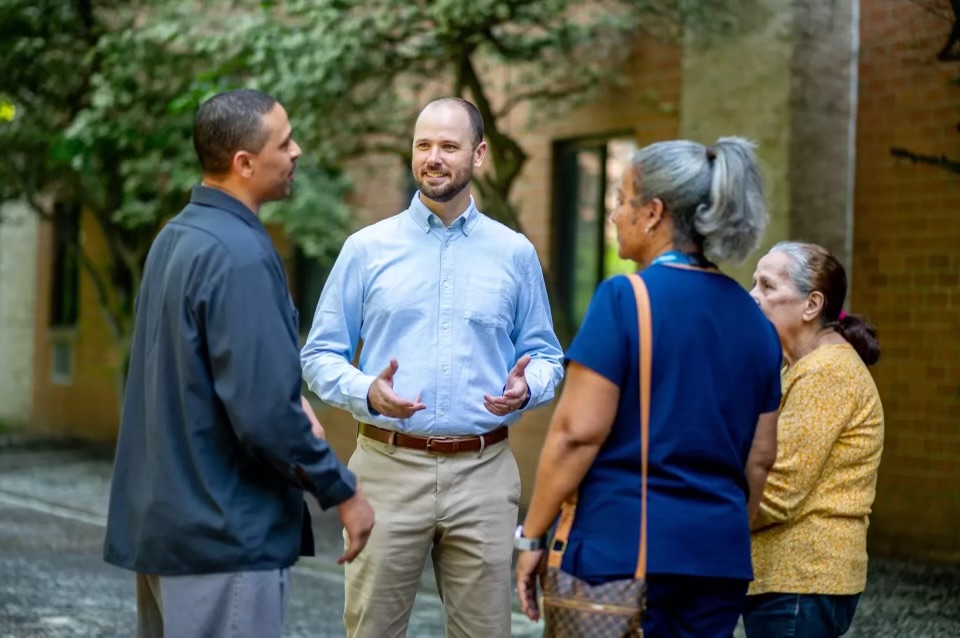
Real Estate Director, Brendan Mitchell, meets with tenants at Rose Hill. Coordinating window installations and apartment improvements, along with the noise and dust from facade repairs, can disrupt daily life and operations. The Rose Hill tenants, super David, FBHC management, and social services staff, Katherine, Esmerelda, and Margie, deserve a big thank you for their cooperation and assistance during the renovations and inspections.
Solar panels and a backup battery storage system remain on the UNHP and Rose Hill wish list. Thanks to a generous grant from the MetLife Foundation in 2024 for solar technology predevelopment costs, UNHP engaged Crauderueff Associates as a consultant on the Rose Hill project and will seek a range of public credits to use alongside private grants. In 2023-24, UNHP installed solar panels at 7 of our affordable housing properties, using a range of credits, including an enhanced federal credit created in 2022 and partially eliminated and revised in 2025. UNHP will seek to fill in the gap with private sources and State and City credits and resources. Crauderueff created specifications, and three types of solar arrays are being considered for the project: ballast, tilt-up, and canopy style. Canopy-style solar arrays, although the most expensive, would generate 100% of the project’s public-area electricity costs.
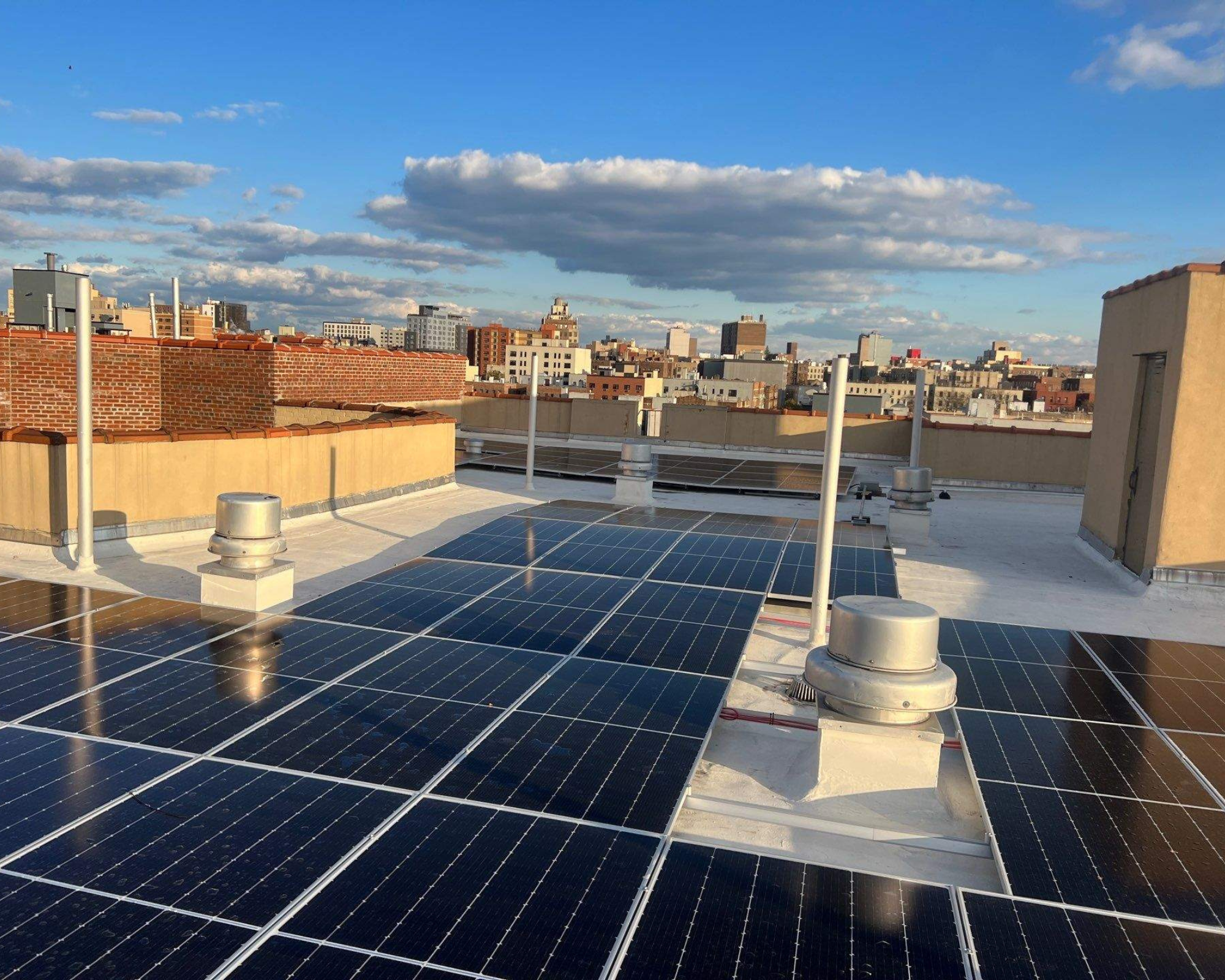
UNHP hopes to include a photovoltaic solar panel array and a battery energy storage system (BESS) in the project. Thanks to a predevelopment grant from the Metlife Foundation, UNHP has engaged a consultant to scope out both the solar panels and BESS. Currently, UNHP is reviewing three types of panel styles, projected public credits, grant opportunities, and low-cost financing options. UNHP successfully installed solar arrays on seven of our affordable housing projects last year. The battery backup system is expensive, but because the project is home to vulnerable residents, providing power, heat, or air-conditioning in the community room and powering the elevators in the event of a blackout seems essential.
Specifications have also been developed for a Battery Energy Solar Storage System. (BESS). While the BESS adds significantly to the costs, both for the consultant and for the system itself, it would provide great benefit to this project as Rose Hill provides homes to a vulnerable population that needs access to the elevator, public area lighting, and an air-conditioned or heated common space in the event of a loss of electrical power. UNHP will move forward to price out both the Solar PV Array and BESS, estimate the public credit, and seek grant support.
The financial repositioning, renovations, refinance, and solar work will benefit the tenants, the overall project, and the environment. Tenants will benefit from the improvements to their apartments, including new windows and refrigerators, as well as improvements to the common areas and community room. The repositioning, renovations, and refinancing benefit the project by ensuring financial stability that will maintain good living conditions and affordability for the next two decades. The proposed solar arrays with battery backup reduce carbon emissions, increase the building’s use of clean energy, and support a borough with high asthma and air pollution levels. Installing solar panels will not only reduce CO2 emissions in the Bronx, but will also retrofit this older multifamily property with modern energy sources and reduce operating costs in this regulated affordable housing project.
Rose Hill Apartments is another example that preserving housing for lower-income households is not a one-and-done approach. Ongoing investments in the property each year, and substantially at its creation in 1984, 25 years later with the infusion of Low-Income Housing Tax Credits and renovations, and again 17 years later with the upgrades, repositioning, and refinancing, combine to ensure the long-term affordability and overall good condition of the property. Public and private resources to preserve low-income housing are critical to its existence.