


Requested 2026 Federal Housing Budget Would Wreak Havoc on Tenants, Landlords and Lenders
In a new brief featured in the Wall Street Journal, New York Housing Conference finds that if enacted, the President’s FY2026 budget request would wreak havoc on tenants, landlords and lenders, and Government Sponsored Enterprises (GSEs). UNHP’s Building Indicator Project data was used to assess lender and community impact. Click here for the NYHC policy brief and WSJ article.
President Trump’s FY2026 budget request proposed a 44 percent cut to funding for the U.S. Department of Housing and Urban Development (HUD) — threatening the rental assistance of millions of low-income Americans. It also sought to convert critical housing programs, like Section 8 and Public Housing, into state-controlled block grants, while proposing a two-year time limit on aid for non-elderly, non-disabled households — a radical shift that would make housing support temporary and unpredictable.
The new report, Housing Market Impact of Proposed HUD Budget Cuts & Term Limits finds that under this proposal millions of renters would lose the federal assistance they rely on to remain stably housed. And without a key source of revenue, landlords would experience building-level financial stress, leading lenders and investors — including major banks — to face defaults. Ultimately, the federal housing finance system would be forced to absorb billions in bad debt — echoing risks not seen since the 2008 financial crisis.
HUD’s rental assistance programs do more than help low-income individuals and families pay rent; they serve as the financial foundation for much of the nation’s low-income housing. Landlords, developers, and lenders — including government-sponsored entities like Fannie Mae and Freddie Mac — rely on the stability of long-term HUD contracts to finance and operate buildings. Between just 2018 and 2023, Fannie Mae and Freddie Mac supported about $50 billion in loans tied to HUD-assisted properties, covering more than 238,000 units across the U.S.
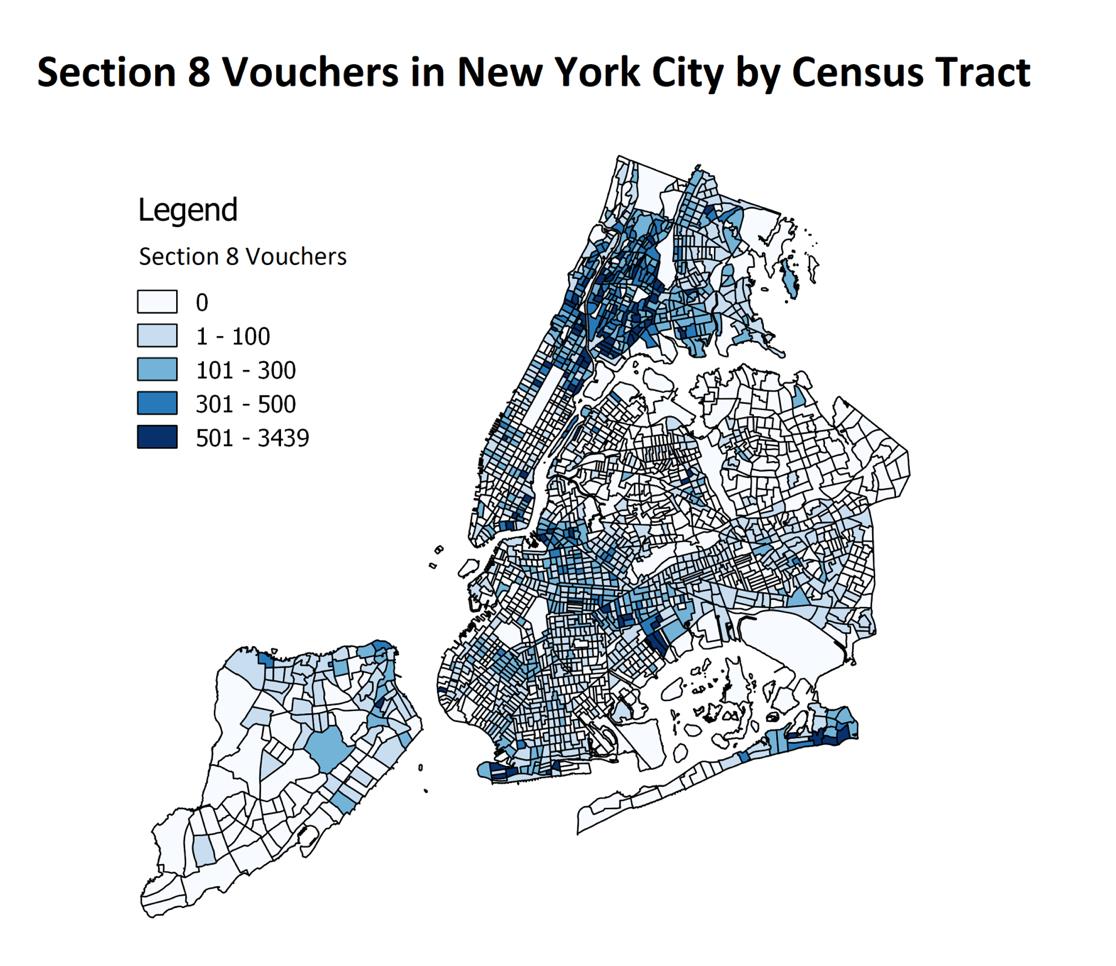
Section 8 rental subsidies were the backbone of many occupied building renovations in the Bronx and other low-income neighborhoods in NYC. UNHP provided technical assistance in the 80s and 90s on many deals that utilized the public/private partnership Participation Loan Program to refinance a community-based acquisition and fund the needed renovations. Section 8 vouchers ameliorated the rent increases to low-income tenants in the property. Section 8 vouchers are also used in many HUD 202 low-income senior housing projects. [1] The Use of Housing Choice Vouchers in New York City, NYU Furman Center, State of the City 2023. https://furmancenter.org/stateofthecity/view/the-use-of-housing-choice-vouchers-in-new-york-city#soc-content
- In some neighborhoods — such as Harlem, Brownsville, and Mott Haven — nearly 40% of households rely on Section 8 assistance.
- The City and its partners have more than $10 billion invested in affordable housing deals tied to long-term HUD contracts, including:
- $6.2 billion in loans from HPD, HDC, and NYCHA;
- $3 billion in GSE-backed financing; and
- More than $1 billion each from JP Morgan Chase, Flagstar/NYCB, and CPC.
This analysis represents the minimum exposure since the data source we used – UNHP’s BIP data – captures one lender per property, while most affordable housing properties will have government loans or agreements and private financing. Loss of subsidy at this scale would not only lead to evictions and empty buildings but also raise borrowing costs, jeopardize City finances, and stall future affordable housing development across the five boroughs.
Congress is currently negotiating the FY2026 budget and as the process moves forward, it is important to understand that federal housing assistance is inextricably linked to the health of the housing market as a whole. The House Appropriations Committee released a draft bill that rejects the President’s proposal but still shortchanges funding for key HUD programs such as housing choice vouchers, public housing and HOME. The Senate Appropriations Committee is expected to review their bill this week. NYHC will release an analysis on the draft budget bills in the coming days.